In January 2026 a shipyard asked us to form a tube end that the equipment we had could not form. The tube was 38 × 5.0 mm in M32205, a hard material; the end profile followed Parker’s design and sealed with an EO2 seal ring. The first trial on our standard machine left the sealing face incompletely formed, and the honest conclusion was that 100 tons of forming force was not enough. Ten months later the customer took delivery of the WMD Form 306 Plus, a 200-ton machine built for this job. This is the record of the project — including the dimension error that cost eight weeks and the tooling that had to be made twice.
The requirement: M32205, 38 × 5.0 mm, Parker profile
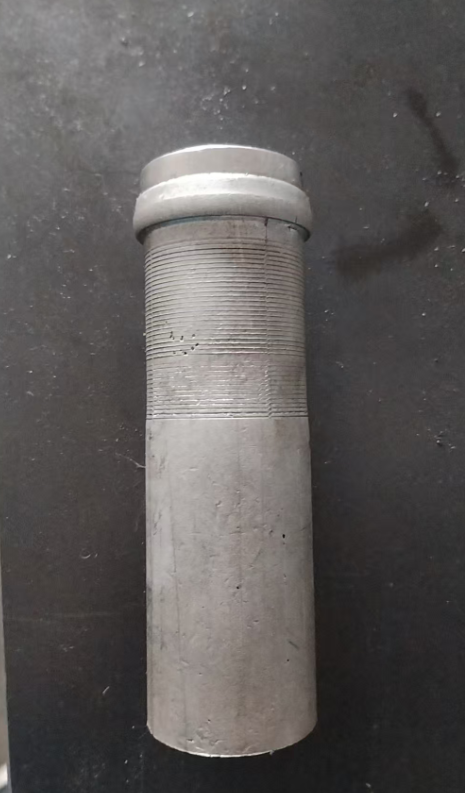
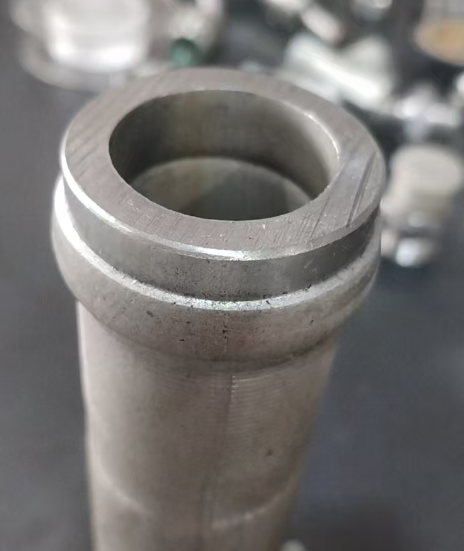
January 2026, first contact. The customer wanted a harder material, M32205, formed to Parker’s end design and used with EO2 seal rings. In the initial assessment one size — 38 × 5.0 mm tube — looked beyond what the existing machines could do. We asked for sample tube so that the profile could be tried on the existing machine and dies: whether it could be formed at all, and whether it would meet the requirement.
February: 100 tons is not enough
The samples arrived in February. We formed them on the existing machine using the WMD Form geometry, and the result was not acceptable. Clamping was fine; the forming force was not. At 100 tons the sealing face was not completely generated, which left a real risk of leakage. The conclusion was blunt: this model does not have the capacity for steel tube of this material. There were two options — no project, or a custom machine.
March to May: doubling the force and redesigning around it
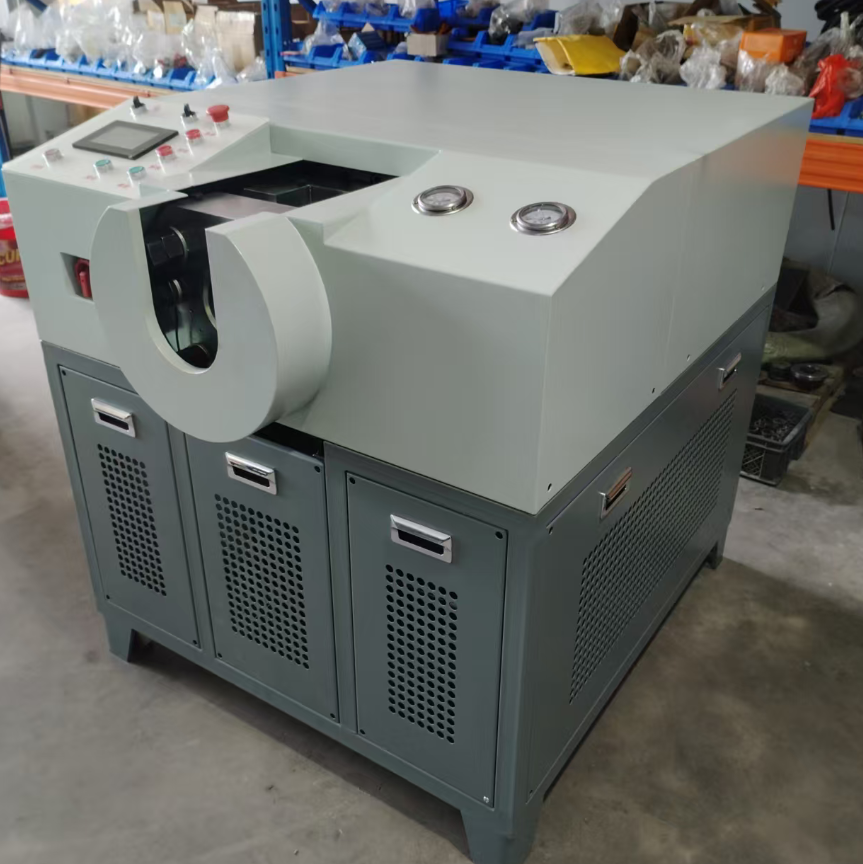
In March the customer decided to order a machine with more capacity. After detailed discussion on both sides, the forming force would be raised by enlarging the cylinder: from 100 tons to 200 tons, with the structure redesigned to carry it. The hydraulic system and the electrical control system were customized as well.
April: structure, cylinder, piping, frame and electrical control were redesigned from scratch. The design was complete by the end of April and passed simulation on the computer.
May: cylinder, structural and frame suppliers were selected, and the drawings went out for production.
June: one dimension, eight weeks
The cylinder, frame and structural parts arrived in June and assembly started. Then the unexpected: one cylinder dimension was off, and the structural parts would not fit. The cylinder supplier confirmed that the cylinder could not be modified — it had to be remade, which pushed delivery back by eight weeks.
The cause was found in our own drawing. After the engineering drawing was issued, one dimension was adjusted — but that dimension had been placed directly on the drawing instead of being carried from the model, so the system did not update it automatically and the old and new versions diverged. The lesson is short: never dimension directly on the drawing.
August: commissioning, and a collar that was not full
The new cylinder was finished in August. The machine was assembled and commissioned with no problems found, and it ran normally at first.
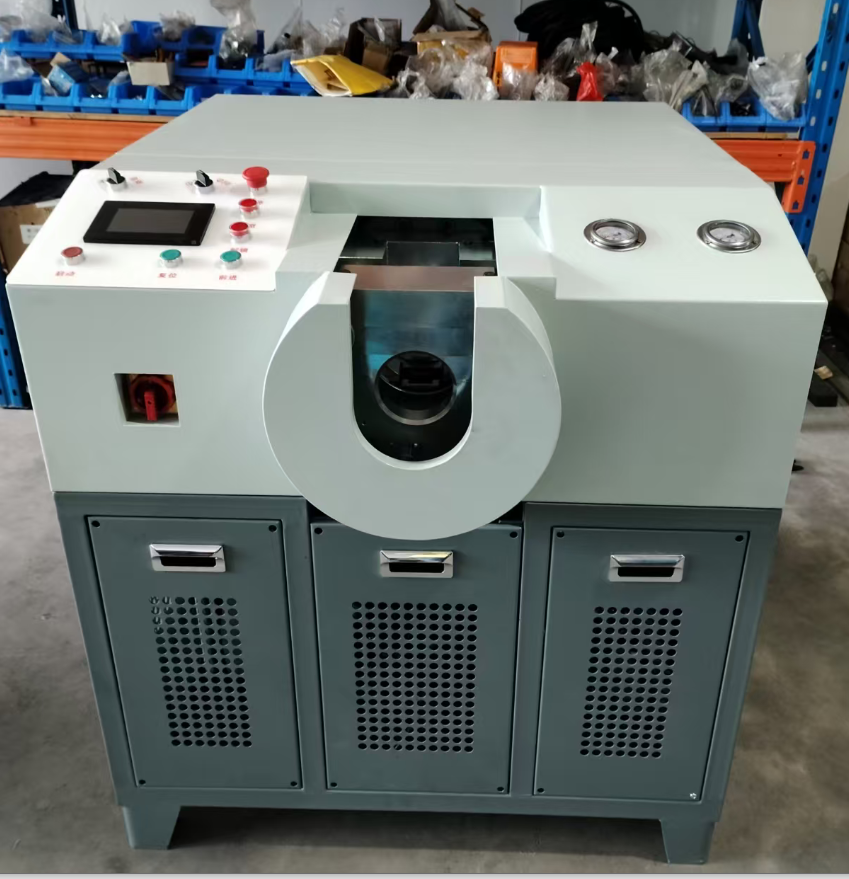
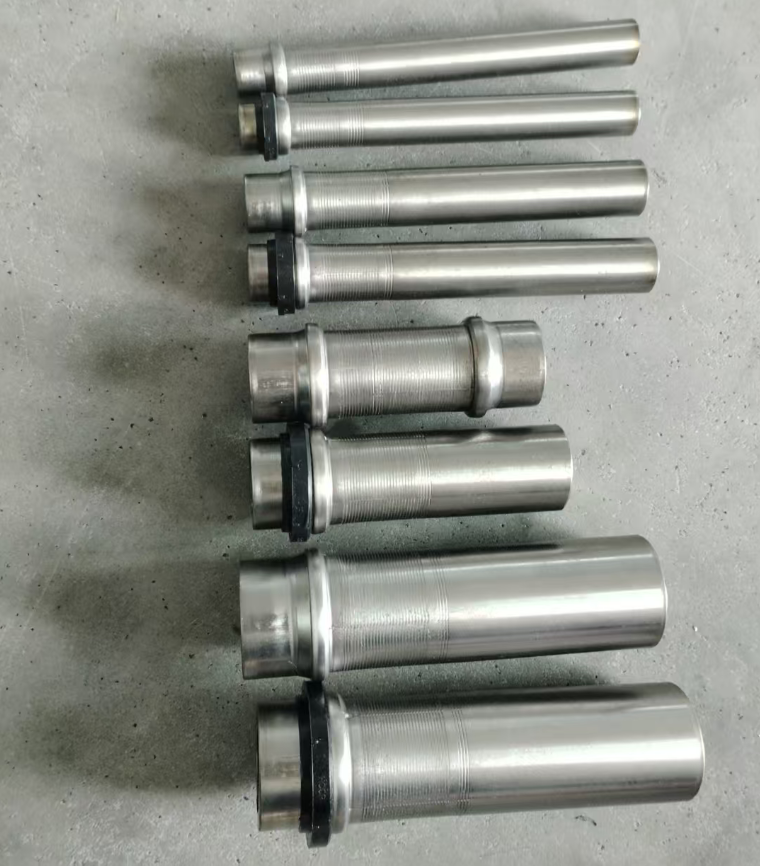
But once tube came out of the machine, the collar — the raised boss that carries the sealing face — was not full enough, and the die needed further optimization.
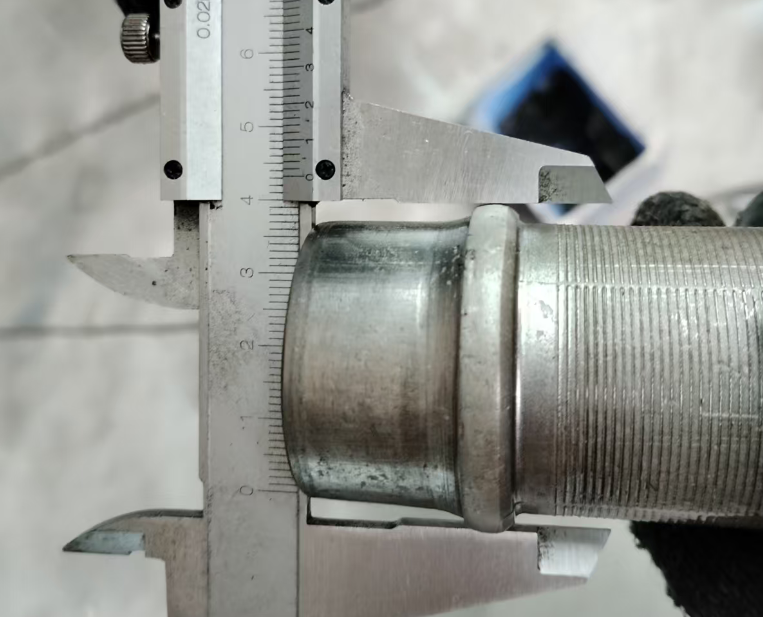
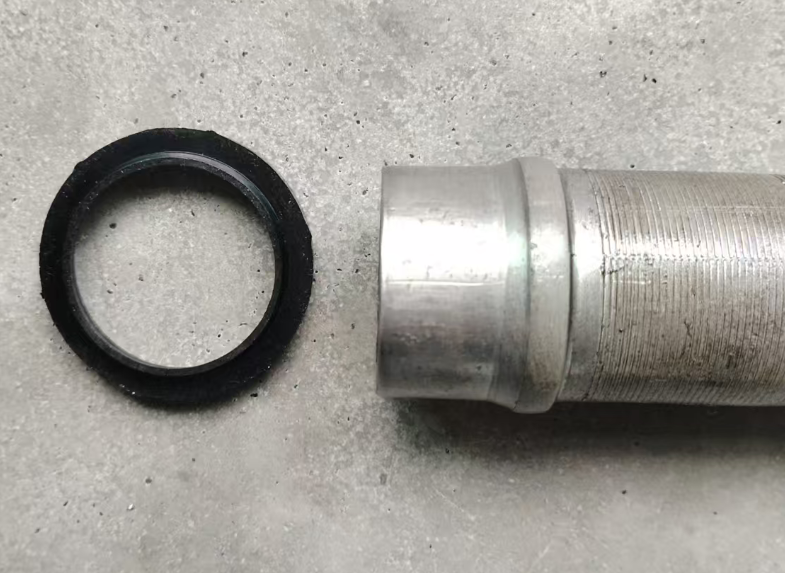
A polished batch, scratches, and sintered metal on the die
The optimized die came back later in August and the collar dimensions were now on spec. The customer also supplied a new batch of steel tube for the test samples; this batch was polished on the surface and noticeably better in accuracy. It exposed a new problem. The first tube was fine; the second and third came out with clear scratches on the formed head, most obvious at the sealing area — exactly where scratches cannot be tolerated, because they hurt sealing performance. The die wall also showed obvious sintered build-up. Our analysis was friction between tube and die at temperature. The fix: remake the dies with tighter bore tolerances, and add lubricant.
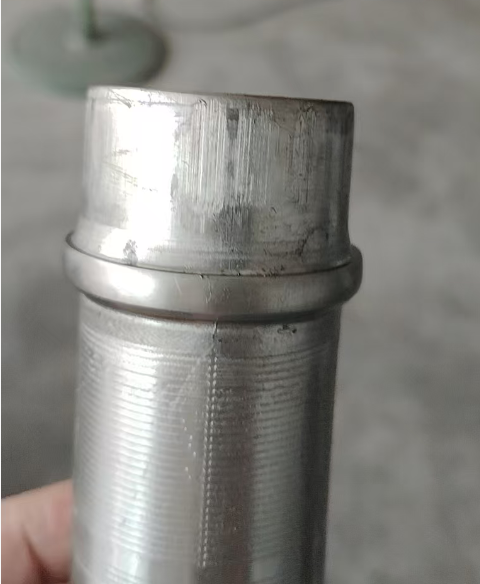
The noise that was not the pump
In the same period the machine was distinctly noisy on one of its motions. After a great deal of adjustment the noise was traced to a check valve in the low-pressure circuit; replacing it cut the noise markedly. The valve’s design was the problem — it generated obvious eddying in the oil.
September and October: acceptance, delivery, training
The remade dies arrived in September, and the trial samples passed inspection and acceptance.
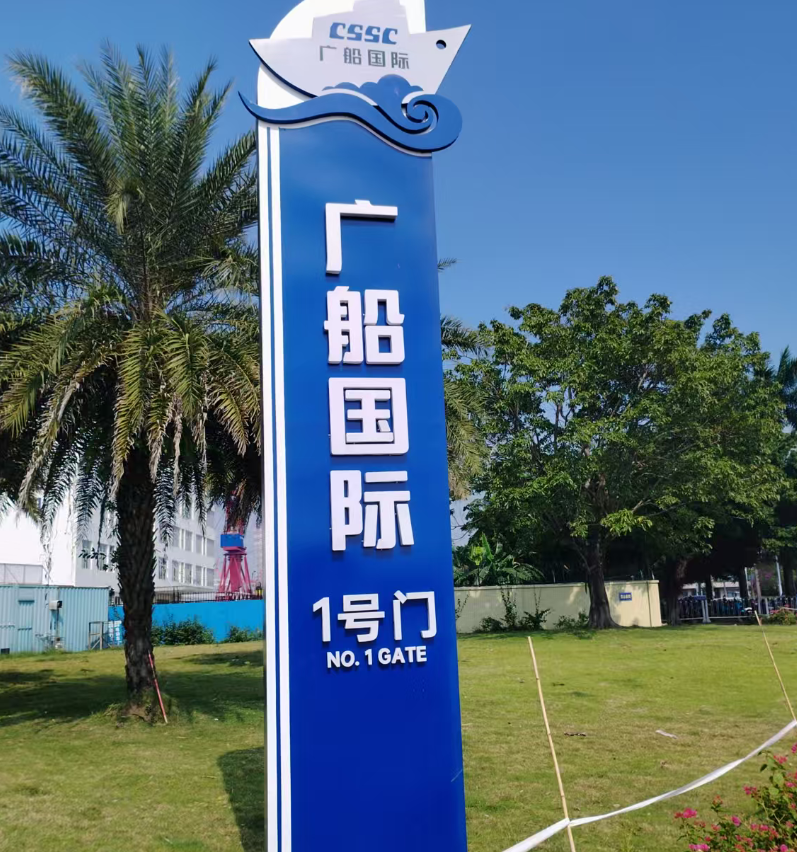
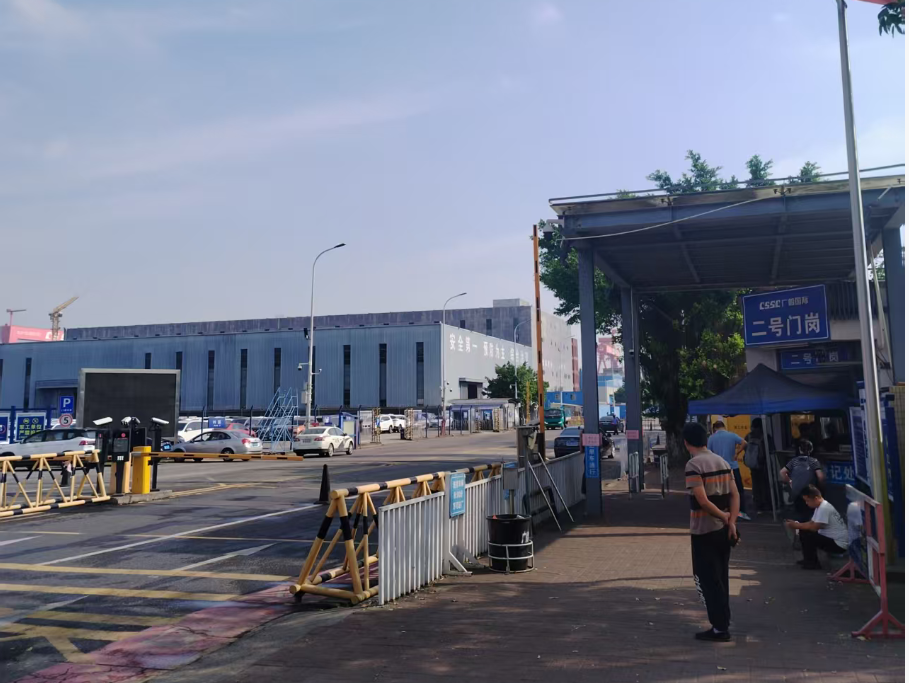
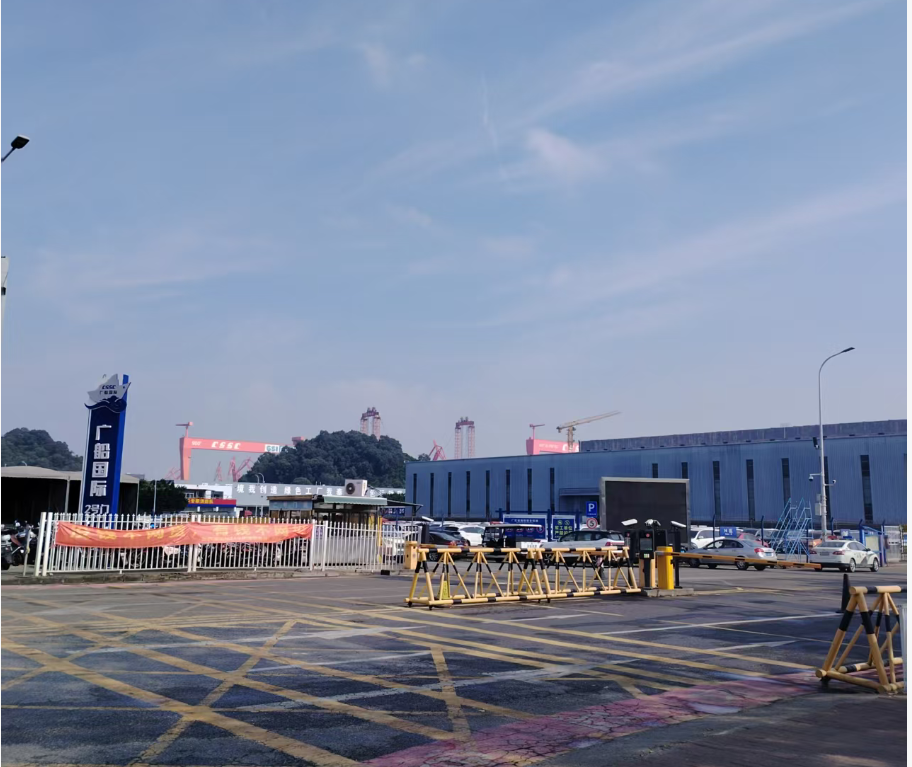
In October the machine was delivered, and training at the customer’s site went smoothly.
Summary
The WMD Form 306 Plus keeps the structure and the operating logic of the WMD Form 306 and upgrades what had to be upgraded: a larger cylinder, a stronger structure and frame, and a pressure system sized for the job. The forming force goes from 100 tons to 200 tons, with everything around it raised to match, and the design goal was met. There were small problems along the way, and they did delay delivery, but the project landed successfully.
发表回复